Christmas gonks
The classic: red, white, grey and tartan gonks for the tree, the mantelpiece and under the presents.
The independent UK guide to gonks
Everything you need to know about gonks, from Scandinavian folklore and 1960s toys to choosing Christmas, Halloween and Easter gonks, buying safely for children and finding them in UK shops.
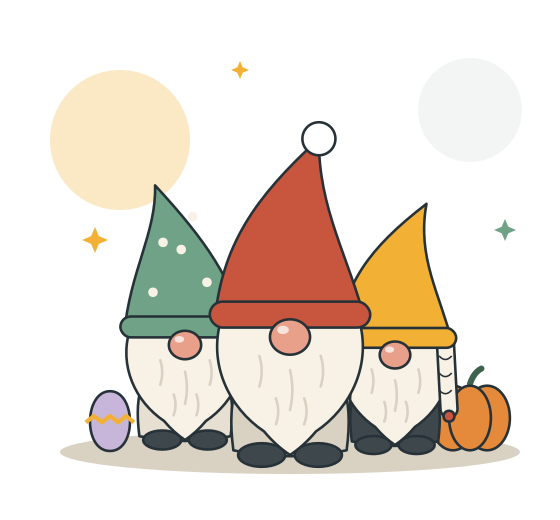
A gonk is a small, usually soft figure with a long pointed hat pulled right down over its eyes, a round nose peeping out, and a big bushy beard. Gonks are a favourite Christmas decoration in the UK, and now come dressed for every season.
Their look comes from the tomte and nisse of Scandinavian folklore: small, bearded spirits said to guard the farm and household, and to expect a bowl of buttery porridge on Christmas Eve.
The name is pure British. "Gonk" was a furry 1960s novelty toy, and the word was borrowed for Scandinavian-style figures when they swept UK shops around Christmas 2020.
In-depth guides to choosing, buying, displaying and caring for gonks, written for UK readers.
Gonks are no longer just for Christmas. These are the seasonal ranges you'll find in UK shops through the year.
The classic: red, white, grey and tartan gonks for the tree, the mantelpiece and under the presents.
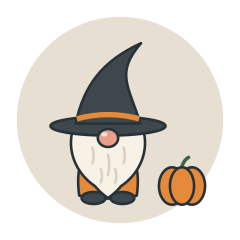
Witch hats, pumpkins and ghosts, plus autumn gonks in mustard and rust that last until Christmas.
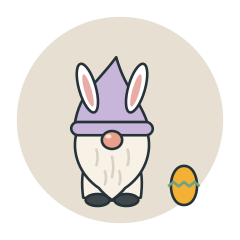
Pastel hats, bunny ears and painted eggs: a chocolate-free Easter treat.

Pink and red gonks holding hearts, often sold in pairs for couples.
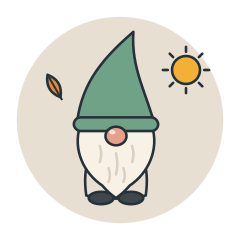
Neutral and sage gonks that stay out all year, with seasonal friends added as the months go by.

Birthday, wedding, new baby and new home gonks, many personalised by UK makers.
Two very different stories that came together in British shops. We're clear about which parts are folklore.
Folk tradition
Scandinavian tales tell of the tomte or nisse, a small bearded guardian of the farm who expects porridge at Christmas.
1881
Viktor Rydberg's poem Tomten appears with an illustration by Jenny Nyström, whose cards popularised the friendly Christmas tomte.
1960s
London inventor Robert Benson's furry, googly-eyed gonk toys become a craze. Ringo Starr owned one.
2020
Scandinavian-style Christmas figures take the gonk name, and become one of the UK's best-selling decorations.
Today
Valentine's, Easter, Halloween and autumn gonks fill the shops through the year.
Five quick checks before you buy, whether it's a stocking filler or a giant gonk for the hallway.
Measure the shelf or space first. Listed heights usually include the hat.
Sitting, standing, dangly legs, hanging, light-up or giant.
Traditional red, Scandi neutrals, tartan, pastels or seasonal colours.
For a child, look for a toy with a UKCA or CE mark.
Seasonal gonks arrive weeks ahead and popular designs sell out.
Gonks we like from UK shops, Etsy makers, eBay and Amazon, for every season and budget.
Santa Claus gonk and one Mrs Claus gonk for a complete holiday display. Standing at approximately 20cm tall.
View on Amazon (Cute Traditional Mr & Mrs Santa Christmas Gonks)As an Amazon Associate we earn from qualifying purchases. Some other links on this site are affiliate links too; it never changes the price you pay.
Many gonks are decorations, not toys, and can contain sand filling, small parts or wire. Our parent's guide explains how to choose a gonk that's safe to cuddle, and which recalls to check.
Buying ·
Seasonal gonks arrive earlier than you might think, and the best ones sell out. Here is a month-by-month guide to when each range usually reaches UK shops.
Families ·
Looking for a December tradition that takes two minutes a day? Hide a gonk somewhere new each morning and let the children find it. Here is how to play.
Families ·
A first gonk is a sweet present for a little one, but many gonks are decorations, not toys. Here is a simple checklist for choosing one that is safe to cuddle.
A gonk is a small, usually soft figure with a long pointed hat pulled down over its eyes, a round nose and a big beard. The look comes from the tomte and nisse of Scandinavian folklore, while the name comes from a furry 1960s British toy. Read more.
Only if they are sold as toys. Many gonks are labelled "decoration only, not a toy" and can contain sand filling, small parts or wire. For a child, choose a soft toy gonk with a UKCA or CE mark and a suitable age rating. Our full safety guide.
Garden centres, homeware chains, supermarkets, discount shops and charity shop websites all sell gonks in season. Etsy is best for handmade gonks, eBay for sold-out and vintage ones, and Amazon for choice all year. Compare them here.
No. Christmas gonks are the best known, but there are now gonks for Valentine's Day, St Patrick's Day, Mother's Day, Easter, summer, autumn and Halloween, plus birthdays and weddings. See a year of gonks.
A gonk hides its eyes under a long hat and is usually soft, while a garden gnome has a visible face and is usually ceramic or resin. Gonks are based on the Scandinavian tomte and nisse. Gonk vs gnome explained.
Garden centres and homeware shops usually start selling Christmas gonks in early autumn, often from September, with supermarkets following in October and November. Popular designs can sell out before December. See our gonk calendar.
New ranges, buying calendars and safety alerts before each season. No spam, unsubscribe any time.